

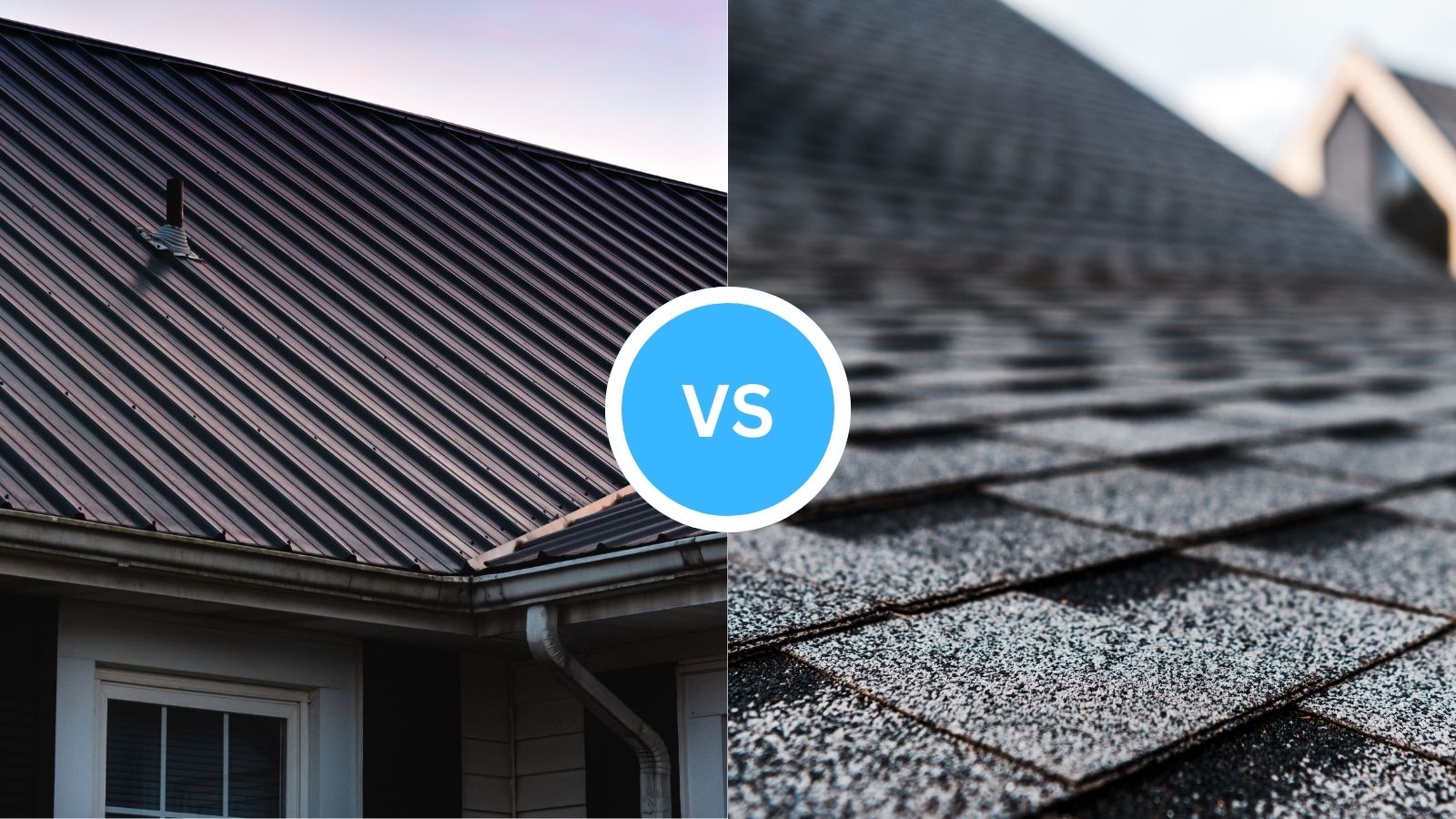
Replacing a roof is one of the most significant investments a homeowner will make in the lifetime of a property. The chosen material impacts not only the immediate financial layout but also the long-term structural integrity, energy efficiency, and curb appeal of the residence. In the residential roofing market, the decision frequently narrows down to a head-to-head comparison between two dominant materials: traditional asphalt shingles and modern metal roofing.
For decades, asphalt shingles have served as the default choice for American homes due to their affordability and straightforward installation. However, metal roofing has surged in popularity as property owners prioritize longevity, environmental sustainability, and resilience against severe weather events. Evaluating the distinct advantages and drawbacks of each material is essential to determining which option best aligns with your geographic climate, budget, and long-term ownership goals.
The Longevity and Durability Factor
The operational lifespan of a roofing material represents the most stark contrast between these two systems. A roof that requires frequent replacement can ultimately cost significantly more over time than one with a higher initial price tag.
Lifespan Analysis
Asphalt shingles are compromised by organic degradation over time. Standard three-tab shingles generally last between 15 to 20 years, while higher-quality architectural or dimensional shingles can endure for 25 to 30 years under optimal weather conditions. Daily exposure to ultraviolet radiation, temperature fluctuations, and moisture eventually causes the oil-based asphalt to become brittle, leading to granule loss, cracking, and curling.
Metal roofing systems, particularly those constructed from high-grade steel or aluminum, offer a radically different timeline. A professionally installed standing seam metal roof can easily last between 40 to 70 years. Metal does not decompose, dry out, or rot, meaning it can frequently outlast the structural life of the home itself.
Environmental Weather Resilience
-
Wind Resistance: Traditional asphalt shingles rely on adhesive strips to lock together. High winds can get underneath individual tabs, lifting and tearing them away, which exposes the underlying wooden roof deck to leaks. Metal roofing panels are structurally fastened to the roof deck, often utilizing interlocking seams that can withstand wind gusts exceeding 140 miles per hour.
-
Impact Resistance: Hail storm damage is a primary driver of roof insurance claims. Hail can dislodge the protective mineral granules on asphalt shingles, bruising the substrate and creating immediate water entry pathways. Metal roofs carry high impact ratings, meaning while extreme hail might cause minor cosmetic dimples or dents, it rarely breaches the structural integrity of the metal panel.
Financial Considerations: Upfront Costs vs. Lifecycle Value
A comprehensive roofing comparison must weigh the initial capital required for materials and labor against the long-term lifecycle value and return on investment.
Immediate Installation Costs
Asphalt shingles are undeniably the most budget-friendly option up front. The raw materials are inexpensive, and the installation process is highly standardized, meaning labor costs remain low. Most general roofing contractors can tear down and replace an average-sized asphalt shingle roof in one to two days.
Metal roofing requires a substantially higher upfront investment. The material costs for steel, copper, or aluminum are significantly higher than petroleum-based asphalt. Furthermore, installing metal roofing requires specialized training, specialized tools, and precise craftsmanship. Incorrectly handling expansion joints or flashing details can result in severe system leaks, which means homeowners must pay premium labor rates for certified metal roofing technicians. On average, a metal roof can cost two to three times more than a standard asphalt shingle installation.
Long-Term Value and Home Equity
While the initial cost of metal can cause sticker shock, its long-term lifecycle value is exceptional. Because a metal roof lasts two to three times longer than an asphalt roof, a homeowner who plans to remain in their house for several decades will avoid the cost of multiple roof tear-offs and replacements. Additionally, high-end metal roofing can boost a home resale value and attract premium buyers who appreciate the elimination of future roof maintenance expenses.
Energy Efficiency and Environmental Impact
Modern building practices place a heavy emphasis on reducing carbon footprints and lowering monthly residential heating and cooling expenses.
Reflectivity and Thermal Performance
Asphalt shingles absorb a massive amount of solar heat. Dark asphalt acts as a thermal mass, transferring radiant heat directly downward into the home attic space. This places a heavy burden on air conditioning systems during the summer months, forcing them to run longer and consume more electricity.
Metal roofing is classified as a cool roof material. It naturally reflects solar radiation away from the building framework. Many modern metal panels are coated with specialized fluoropolymer resin pigments that optimize solar reflectance and thermal emittance. This ensures the roof sheds absorbed heat rapidly, which can slash summer cooling costs by up to 25 percent compared to traditional dark asphalt options.
Sustainability and Recycling Profiles
Asphalt shingles present a significant environmental challenge. They are made from petroleum and fiberglass components that do not biodegrade easily. Consequently, millions of tons of torn-off asphalt shingles are deposited into landfills across the United States annually.
Metal roofs are highly sustainable. Most metal roofing panels contain a minimum of 25 to 40 percent recycled content. Furthermore, when a metal roof eventually reaches the end of its multi-decade lifecycle, the panels are 100 percent recyclable, meaning they can be melted down and repurposed rather than contributing to landfill waste.
Aesthetic Options and Architectural Fitting
The visual style of your roof should harmonize with the overall architectural design of your home and the established aesthetic of your surrounding neighborhood.
Asphalt shingles offer a traditional, familiar look that complements almost any home style, from classic Colonials to mid-century Ranches. Architectural shingles can mimic the layered, textured look of natural wood shakes or slate tiles, providing depth and shadow lines at a fraction of the cost of real stone.
Metal roofing provides a sleek, clean, and contemporary aesthetic defined by sharp vertical lines. It pairs exceptionally well with modern, industrial, or modern farmhouse architectural movements. While standing seam panels are the most common, metal can also be stamped into modular profiles that replicate classic barrel tiles, wood shakes, or traditional slate patterns, offering stylistic versatility.
Frequently Asked Questions
Is a metal roof significantly louder than asphalt shingles when it rains?
This is a common misconception driven by memories of uninsulated metal barns. In residential applications, a metal roof is installed directly over a solid wood roof deck, thick water-resistant underlayment, and standard attic insulation. These structural layers act as a dense acoustic barrier. As a result, tests indicate that a properly insulated residential metal roof introduces no more decibel noise during a rainstorm than a traditional asphalt shingle roof.
Can a metal roof be installed directly over an existing asphalt shingle roof?
Yes, in many municipalities, metal roofing can be installed over one layer of existing asphalt shingles without a costly tear-off process. Because metal is exceptionally lightweight, it does not threaten the structural weight limits of the framing. Installers typically attach wooden purlins or furring strips directly over the old shingles to create a flat, vented grid network for fastening the new metal panels.
Does a metal roof increase the likelihood of a lightning strike on a residential home?
No, a metal roof does not attract lightning. Lightning strikes are dictated by the height of a structure and its geographic location relative to surrounding topography, not the materials on the roof. However, if a home is struck by lightning, metal is a safer option than asphalt because it is non-combustible and an electrical conductor, meaning it safely dissipates the electrical charge throughout the earth without catching fire.
How do seasonal temperature fluctuations affect metal roofing installations?
Metal panels naturally expand and contract as temperatures shift between summer heat and winter cold. To accommodate this movement without buckling or shearing fasteners, modern metal systems utilize concealed clips or slotted fastening holes that allow the panels to glide smoothly over the underlayment. If an installer uses rigid, exposed screws without allowing for this thermal expansion, the fasteners will eventually back out, creating severe leak paths.
What kind of routine maintenance does an asphalt shingle roof require?
To maximize the life of an asphalt shingle roof, homeowners must sweep away accumulated organic debris like leaves and pine needles from valley lines, clean out gutters to prevent ice damming, and trim overhanging tree branches. Additionally, shingles should be monitored for algae and moss growth, which can trap water against the asphalt surface and dissolve the adhesive bond between tabs over time.
Are there specific coastal restrictions when choosing a metal roof?
Yes, salt air in coastal environments is highly corrosive to standard galvanized steel roofs. If you live within a few miles of the ocean, standard steel panels can develop edge rust rapidly. Coastal homeowners should instead select aluminum, copper, or specialized zinc alloy metal roofing, as these materials do not contain iron and naturally resist salt spray corrosion for decades.
How does algae resistance differ between these two roofing materials?
Asphalt shingles in humid, shaded climates often develop dark, unsightly black streaks caused by airborne blue-green algae feeding on the limestone filler used in the shingles. While many modern shingles are infused with copper granules to resist this growth, the protection eventually degrades. Metal roofing features a completely smooth, non-porous finish that deprives algae of a porous foothold, allowing dirt and organic matter to wash away naturally during heavy rainstorms.

Comments are closed.