

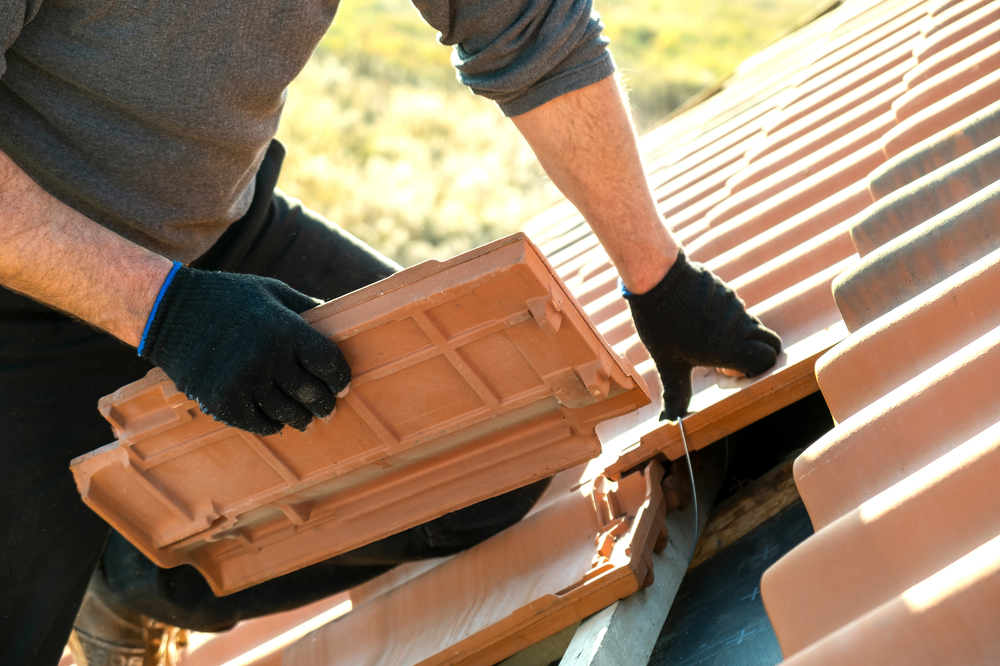
Clay roofing is a timeless choice known for its distinct appearance, durability, and resistance to fire and rot. Homes and buildings topped with clay tiles often reflect architectural heritage and structural elegance. However, even the most enduring materials require attention. When tiles break, shift, or become weatherworn, clay roof repair becomes a critical service for maintaining the roof’s longevity and function.
The process of repairing a clay roof requires knowledge of tile behavior, installation methods, and weather impacts. Unlike asphalt shingles or metal sheets, clay tiles are rigid and more susceptible to cracking under pressure or after repeated freeze-thaw cycles. Repairing such a roof is not simply about fixing leaks—it involves restoring an interlocking system that relies on gravity and design precision.
As with any roofing material, issues left unattended can worsen over time. Cracked tiles may let water seep beneath the surface, damaging the underlayment or roof deck. Dislodged pieces might shift during storms, increasing the chance of leaks or falling debris. Timely clay roof repair preserves the structural system and prevents small defects from turning into larger, costlier problems.
Signs That Indicate the Need for Repair
Many property owners do not regularly inspect their roofs, especially when no immediate problems are visible inside. Yet clay tiles can suffer subtle damage that goes unnoticed until significant symptoms appear. Spotting issues early means less disruption and lower repair costs. One clear indicator is water staining inside the attic or along ceiling lines. These stains often signal that water has found a path beneath cracked or missing tiles.
Another clue comes from visual inspection. Broken or shifted tiles can be seen from ground level or during gutter cleaning. Missing sections create vulnerable spots where rainwater can collect and penetrate underlying materials. Windstorms often cause tiles near ridges, hips, and edges to move, particularly if the initial installation didn’t secure them correctly.
Moss or algae buildup on clay roofs can sometimes hide surface damage. While organic growth doesn’t always compromise the tile, it does retain moisture and creates slippery surfaces that make maintenance difficult. Regular cleaning helps reveal the condition beneath and makes it easier to identify cracks, wear, or deteriorated mortar joints.
A trained roofing professional can assess the roof’s condition and identify where clay roof repair is needed. This inspection includes checking flashing, underlayment, valley channels, and transitions between roof planes. These are common areas where failure can lead to major leaks if repairs are delayed.
Repair Techniques and Professional Methods
Fixing a clay tile roof is not the same as patching other types of roofing. It requires specific tools, matched replacement tiles, and careful handling to prevent further breakage. The first step usually involves removing the damaged tiles without disturbing surrounding ones. This requires lifting and sliding them out in a way that maintains the interlock pattern.
Underneath, the roofer will inspect the underlayment. If it’s still intact and doing its job, only the tile above may need replacing. However, in many cases, the waterproof barrier beneath the tiles shows signs of wear or water intrusion. Replacing this material ensures that future leaks are prevented and the repair lasts longer.
When installing new tiles, matching color and size is important. Over time, exposure to sunlight changes the surface color of clay tiles, so perfect matches can be difficult. Reclaimed tiles or ones from the same manufacturer batch often help maintain a consistent look. Professional roofers are skilled at blending old and new tiles to minimize visual disruption.
In some cases, entire sections of the roof may need restoration, especially if the underlayment has deteriorated over a wide area. This does not mean the entire roof must be replaced. Instead, the damaged section is carefully dismantled, and new underlayment is installed before the original or replacement tiles are returned to position. This method maintains the roof’s original style while solving structural problems.
For decorative ridge caps or hip tiles, mortar may be used to secure them. If the mortar has cracked or fallen away, the tiles may loosen. Repairing this involves removing the old mortar, reapplying a fresh bed, and ensuring the decorative pieces are aligned and stable. Some modern installations use mechanical clips or foam closures to increase durability without changing the appearance.
Preventing Future Damage Through Maintenance
Regular maintenance is the key to extending the life of any clay roof. While the tiles themselves are long-lasting, the materials beneath and around them have shorter life cycles. Keeping the roof clean and inspecting it seasonally helps catch problems early. Debris, leaves, and branches can trap moisture, so clearing valleys and gutters is important to maintain proper drainage.
Annual inspections by roofing specialists help spot weaknesses that may not be visible from the ground. This includes checking for tile movement, flashing wear, and sealant cracking. Especially after severe weather events, professional inspection helps assess whether tiles have loosened or shifted.
In areas with heavy rainfall or snowfall, it’s important to ensure the slope of the roof allows for proper runoff. Pooled water can cause damage over time, particularly at roof intersections or where gutters back up. Adjustments to drainage systems or added protection at key stress points may help prevent future repair needs.
Applying a breathable waterproof membrane beneath clay tiles is another preventive measure during new installations or large repair jobs. This modern approach extends the protective life of the system while maintaining the classic aesthetics of the roofing material. Such upgrades are especially beneficial for homeowners in climates with high humidity, temperature swings, or seasonal storms.
Choosing the Right Contractor for Quality Results
Not every roofing company has experience with clay tiles. The installation and repair process requires a detailed understanding of weight distribution, tile fragility, and traditional roofing systems. Homeowners should look for contractors who specialize in tile roofing and can demonstrate knowledge of clay roof repair through previous projects.
A reputable contractor will perform a thorough inspection, explain the scope of work clearly, and offer a plan tailored to the specific issues on the roof. They will also advise on sourcing matching tiles, underlayment options, and whether the damage suggests isolated fixes or a phased repair strategy. Insurance coverage, warranty policies, and licensing are also important when evaluating professionals.
Roofing work involves safety risks, especially on steep or multi-story structures. Skilled contractors use harnesses, staging equipment, and walkways to prevent tile breakage and ensure safety. This reduces the chance of further damage during the repair process.
Investing in qualified roof repair services not only resolves current issues but helps preserve the architectural value of a home. Clay tile roofs add character, charm, and market appeal when maintained properly. A professional approach ensures that repairs last and align with the craftsmanship that makes these roofs so desirable.

Comments are closed.