

Plumbing infrastructure forms the silent baseline of modern residential health, safety, and convenience. While the everyday user only interacts with the visible endpoints—such as faucets, showerheads, and toilets—the underlying infrastructure represents a highly engineered balance of pressure dynamics, fluid mechanics, and material science. A modern residential plumbing footprint is broadly divided into two completely separate autonomous networks that never interconnect: the pressurized supply system and the gravity-driven drain-waste-vent system.
Understanding the specific mechanics of these systems, the physical characteristics of modern piping materials, and the primary failure modes of residential networks allows property owners to maintain structural integrity and prevent catastrophic water degradation events.
Architectural Layout of Residential Plumbing Networks
A comprehensive visual understanding of a home drainage layout highlights how wastewater transitions out of a residential structure. The system isolates graywater and blackwater from the clean incoming supply line while managing external storm runoff via specialized drainage infrastructure.
The Pressurized Water Supply Infrastructure
The supply network delivers potable water from either a municipal water main or a private subterranean well directly into the building envelope. Because this water must travel upward to reach vertical levels and navigate complex internal piping bends, the entire network operates under significant pneumatic or hydraulic pressure, typically calibrated between 40 and 60 pounds per square inch.
When the primary supply line passes through the property boundary, it travels through a master water meter and an adjacent main shutoff valve. This valve serves as the mechanical fail-safe for the entire structure, allowing complete isolation of water influx during a rupture.
From the main shutoff, the cold water line branches into two primary paths. One pathway routes cold water directly to individual terminal fixtures like toilets, outdoor hose bibbs, and washing machines. The secondary pathway feeds directly into the water heating infrastructure, where it is elevated to standard distribution temperatures before traveling through a parallel hot water distribution manifold.
To prevent systemic shock from sudden pressure drops, modern distribution pipes incorporate engineered air chambers. These sealed vertical pipe columns trap air, acting as shock absorbers to neutralize the kinetic force of rushing water when a valve closes abruptly.
The Drain-Waste-Vent Dynamics
Once clean water leaves a fixture and enters the drainage network, the engineering principles shift from mechanical pressure to absolute reliance on gravitational pull and atmospheric equalization. The drain-waste-vent network handles the safe evacuation of graywater from sinks and showers, alongside blackwater from toilets.
Because gravity drives this system, horizontal drain lines must maintain a strict, precise downward pitch. Standard building codes require a minimum slope of one-quarter inch per linear foot for pipes with a diameter of two inches or less. An incorrect slope causes immediate fluid mechanics failures: if the pitch is too steep, liquid drains away rapidly, leaving solid waste stranded to accumulate and clog the line; if the pitch is too shallow, the velocity drops below self-cleansing levels, inducing sediment buildup.
The two hidden safeguards of this gravitational network include:
-
The Traps: Every modern fixture relies on a curved configuration known as a P-trap. This trap holds a small, permanent reservoir of water that creates an airtight liquid seal, preventing toxic sewer gases from migrating backward into the living space.
-
The Ventilation Stacks: The entire drainage grid connects to vertical ventilation pipes that extend upward and terminate above the roofline. These stacks introduce fresh atmospheric air into the system, preventing the formation of localized vacuums that would otherwise siphon the protective water seals out of the P-traps.
Material Evaluation in Contemporary Pipe Installation
Selecting the correct pipe material involves balancing durability, thermal expansion variables, chemical resistance, and ease of mechanical joining. Modern construction utilizes a mixture of thermoplastic materials and classic metallic alloys.
Cross-Linked Polyethylene
Cross-linked polyethylene is a flexible thermoplastic material that has largely replaced traditional rigid piping in potable water supply configurations. Its molecular structure provides several distinct physical advantages.
-
Flexibility: It can bend around structural framing members without requiring separate elbow fittings at every corner, reducing the total number of physical joint connections by over 70 percent. Fewer joints directly correlate with a lower statistical probability of future leaks.
-
Thermal Expansion Resilience: It possesses an elastic memory that allows it to expand slightly if the water inside undergoes phase changes into ice, making it far less susceptible to burst pipe scenarios during winter freezes.
-
Corrosion Resistance: It is completely immune to the pitting corrosion and scale accumulation caused by hard water mineral content.
Polyvinyl Chloride and Acrylonitrile Butadiene Styrene
These two rigid plastics represent the absolute standard for modern drain-waste-vent applications due to their structural rigidity and slick internal surfaces.
-
Polyvinyl Chloride: This white or gray thermoplastic offers excellent mechanical strength and resistance to chemical degradation from household cleaning chemicals. It requires a two-step joining process utilizing a purple chemical primer to clean and soften the plastic, followed by a solvent cement that chemically fuses the pipe to the fitting.
-
Acrylonitrile Butadiene Styrene: This black thermoplastic is slightly more rigid than polyvinyl chloride and features high impact resistance. It is joined using a single-step solvent cement process. Plumbers favor it for underground building drains because it maintains structural integrity under mechanical soil pressure.
Copper and Chlorinated Polyvinyl Chloride
For specialized supply scenarios and high-temperature discharge environments, rigid high-performance materials remain necessary.
-
Type L and Type M Copper: Copper remains highly valued for its natural antimicrobial attributes, mechanical longevity, and ability to withstand extreme temperatures and pressures. Type L features thicker walls and is standard for internal residential supply lines, while Type M features thinner walls and is often reserved for light-pressure heating loops. Joining copper requires high-temperature soldering, commonly called sweating, using a propane torch to draw lead-free solder alloy into the fitting joint via capillary action.
-
Chlorinated Polyvinyl Chloride: This variant of standard polyvinyl chloride undergoes a post-chlorination reaction that changes its chemical structure, raising its maximum service temperature rating from 140 degrees to 200 degrees Fahrenheit. This makes it an affordable alternative to copper for distributing hot potable water and managing water heater pressure relief discharge lines.
Diagnostic Profiles of Common System Failures
Residential plumbing networks are subject to constant mechanical stress, chemical exposure, and thermal cycles, leading to specific, identifiable failure patterns over time.
Low Flow and Pressure Imbalances
When a property experiences a drop in water delivery volume at a single fixture, the issue is typically localized to sediment accumulation within the aerator screen or a degrading cartridge valve. However, systemic low pressure across all fixtures indicates a larger structural restriction.
Common systemic causes include heavy mineral scaling inside older galvanized iron lines, a failing pressure-reducing valve at the main service entry, or a hidden underground main line fracture leaking water into the surrounding soil matrix.
Gravitational Blockages and Flow Backups
Drain blockages usually trace back to the accumulation of insoluble organic compounds. In kitchen lines, grease and cooking oils poured down the drain solidify as they cool, binding with food particles to form dense blockages. In bathroom lines, hair proteins wrap around pop-up stopper mechanisms and collect inside the P-trap, trapping soap scum and narrowing the pipe diameter.
Systemic backups, where wastewater backs up into a shower pan when a toilet is flushed, indicate a main sewer line blockage. This is frequently caused by invasive tree roots penetrating pipe joints or the structural collapse of aging clay tiles or cast-iron lines beneath the home foundation.
Hidden Interstitial Leaks
The most destructive failures are pinhole leaks occurring inside concealed wall cavities or crawlspaces. These are often driven by galvanic corrosion, which occurs when two dissimilar metals, such as copper and galvanized steel, are joined directly without a non-conductive dielectric union fitting.
The resulting electrochemical reaction degrades the weaker metal, creating tiny perforations that slowly saturate surrounding wood framing, leading to structural rot and mold colonization before manifesting visually on drywall surfaces.
Preventative Maintenance Protocols
Mitigating the risks of structural plumbing failures requires adherence to systematic maintenance schedules and operational boundary constraints.
-
Hydrostatic Pressure Monitoring: Property owners should attach a dedicated water pressure gauge to an outdoor hose bibb annually to verify that system pressure remains below 80 pounds per square inch. Prolonged exposure to high pressure ruins internal appliance valves, splits flexible supply hoses, and accelerates joint fatigue.
-
Chemical Drain Opener Prohibitions: The use of liquid chemical drain cleaners containing liquid lye or sulfuric acid should be entirely avoided. These highly exothermic compounds generate intense heat that can warp thin-walled plastic pipes and melt solvent-welded joints, while accelerating the corrosion of older cast-iron infrastructure. Mechanical augers or enzymatic biological cleaners provide safe alternatives.
-
Water Heater Anode Rod Inspections: The sacrificial anode rod inside a storage-tank water heater must be inspected every three years. This magnesium or aluminum rod intentionally corrodes faster than the steel tank shell, drawing corrosive electrical currents away from the tank walls. Replacing a depleted anode rod can double the service life of the water heating appliance.
Plumbing Infrastructure FAQ
What causes a toilet to run continuously when not in use?
A continuously running toilet is caused by a failure within the internal flush valve assembly inside the ceramic tank. The most common culprit is a degraded or warped rubber flapper that can no longer form an airtight seal against the flush valve seat, allowing water to leak into the bowl constantly. Alternatively, the fill valve float may be set too high, causing water to rise above the vertical overflow tube and drain continuously into the bowl.
Why do pipes make a loud banging noise when faucets are turned off?
This phenomenon is known as water hammer. When a moving column of water is suddenly stopped by a fast-closing valve, the kinetic energy has nowhere to go and creates a hydraulic shock wave that reverberates through the piping system. This shock wave causes the pipes to vibrate and strike against wood framing members. Resolving this requires securing loose pipes with plastic pipe straps or installing mechanical water hammer arrestors containing a pressurized air cushion near the offending fixtures.
Is it safe to use flexible accordion-style drain pipes under a sink?
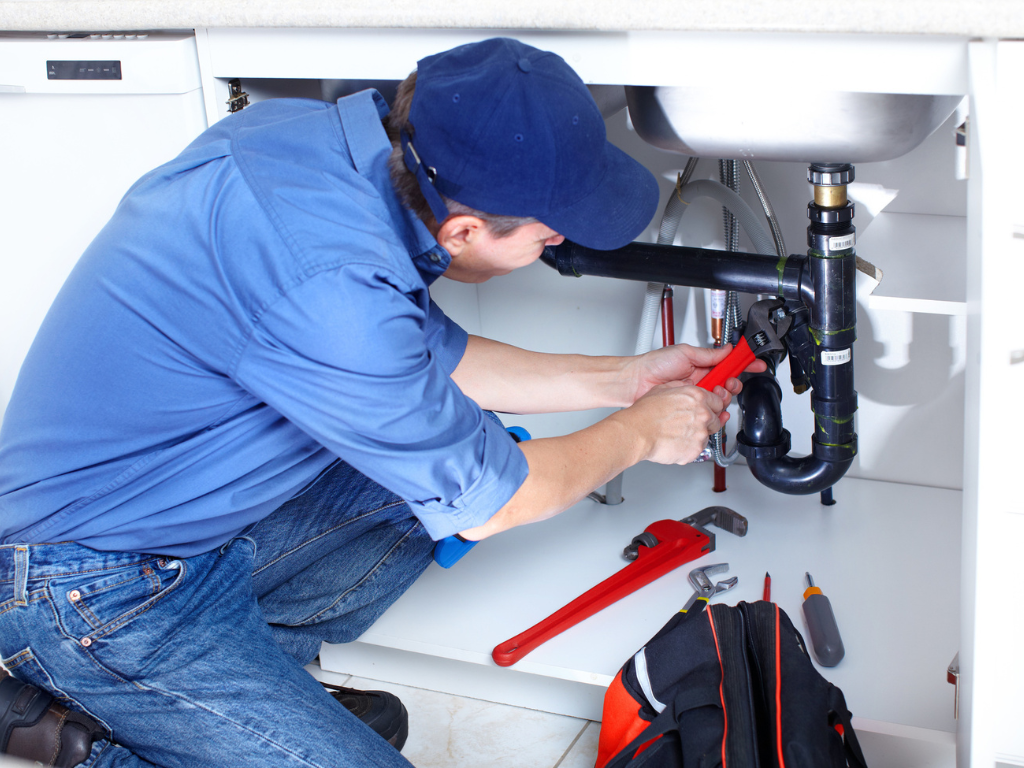
Accordion-style flexible drain pipes violate standard building codes in almost all jurisdictions. The corrugated interior walls of these flexible pipes create significant fluid friction and trap hair, soap scum, and food particles, leading to chronic odors and frequent blockages. Furthermore, the flexible material prevents the smooth, self-scouring flow required for reliable gravity drainage, meaning all under-sink connections should utilize smooth-walled rigid plastic pipes.
How can you pinpoint the exact location of a hidden pipe leak?
Professional plumbers locate subterranean or hidden leaks using specialized acoustic detection equipment that amplifies the sound of pressurized water escaping from a pipe perforation. For drainage networks, diagnostic technicians insert waterproof micro-video cameras directly down the cleanout lines to visually inspect the interior walls for structural cracks, root intrusions, or pipe sagging. Thermal imaging cameras can also detect hidden moisture profiles behind drywall by revealing temperature differentials.
What is the mechanical difference between hard water and soft water?
Hard water contains high concentrations of dissolved calcium and magnesium ions picked up as water filters through limestone deposits. When heated, these minerals precipitate out of solution, creating a rock-hard scale inside water heaters, boilers, and water supply pipes that restricts flow and lowers heating efficiency. Soft water replaces these heavy minerals with sodium ions through an ion-exchange process, preventing scale accumulation and allowing soaps to lather effectively.
Why does the hot water smell like rotten eggs in certain homes?
A distinct sulfur or rotten-egg odor coming exclusively from hot water taps indicates a chemical reaction taking place inside the water heater tank. This occurs when sulfur-reducing bacteria react with the electrons produced by a standard magnesium sacrificial anode rod, creating hydrogen sulfide gas. Replacing the standard magnesium anode rod with a specialized powered anode rod or an aluminum-zinc alloy rod eliminates the chemical environment needed for this gas production.
What steps should be taken to winterize a plumbing system in an unheated building?
To fully winterize a vacant structure, the main water supply valve must be shut off completely, and all interior and exterior faucets opened to drain the vertical risers. Air compressors are then connected to blow remaining water out of the supply lines. Finally, non-toxic marine antifreeze must be poured into every sink drain, shower drain, and toilet bowl to displace the standing water inside the P-traps, preventing the traps from freezing and cracking the porcelain or plastic plumbing fixtures.

Comments are closed.