

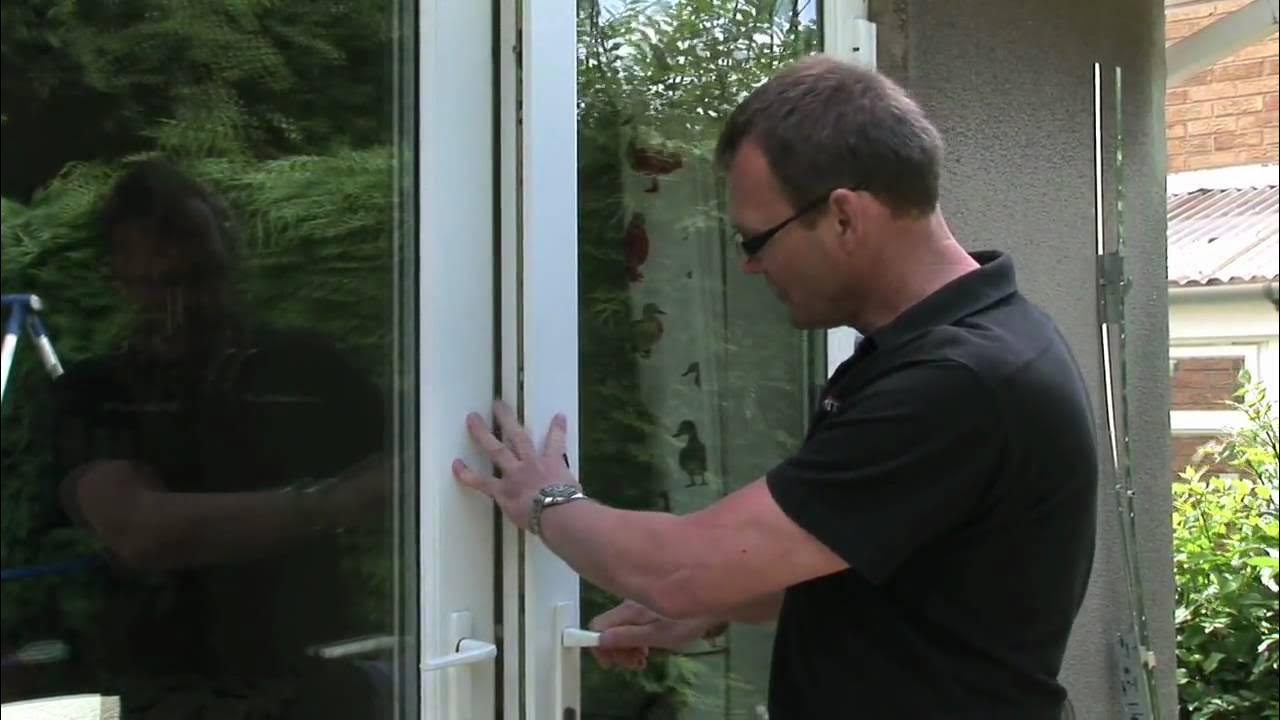
Being locked out of your house is stressful, especially when it happens at the least expected time.
Though UPVC doors are perfect for burglars, their strong security features can eventually lock you out. You never know when you will need a fast fix, a spare key, or just how to open a UPVC door without a key.
Below, you will find harmless ways to get back into your house without compromising its security.
Understanding UPVC Door Mechanisms
Usually, this type uses multipoint locking mechanisms to improve security by locking at several locations around the frame.
These systems typically engage locks at the top, middle, and bottom of the door when the handle is raised, using the key to secure them in place.
Among the several varieties of multipoint systems are hook bolts, roller cams, and mushroom cams.
Roller cams provide a smoother mechanism that’s easier to manage if they are not deadlocked. Furthermore, hook bolts provide strong security, but are difficult to bypass. Mushroom cams add anti-lift protection, making them the trickiest to open without a key.
Although entering a UPVC door without a key can be difficult with this complicated construction, knowing the particular locking mechanism will enable you to choose the best way to gain access.
Check for Spare Keys First
Check whether you have a spare key with a friend, neighbour, or relative before trying more advanced techniques. Contact your landlord or letting agency if you’re renting.
Now is also the time to retrieve the spare key you hid outside. Confirming these options first can save you time and effort, so don’t skip them.
Use a Plastic Card
Using a dated loyalty card, for example, is a widely recognised method for opening a UPVC door without a key.
This technique works best on doors with a simple latch mechanism that hasn’t been deadlocked. To try this, insert the card between the door and the frame at the latch point. Then, push and wiggle the card while applying light pressure to depress the latch and release the door.
In the bargain, note that this method will not work on most modern UPVC doors with anti-lift features. Bear in mind to use an expendable card as it can get damaged in the process.
Remove the Euro Cylinder Lock
You can take out the cylinder lock if your level of basic DIY knowledge is suitable.
This approach entails removing the cylinder, the component of the lock that houses the key, thereby disengaging the lock mechanism.
You’ll probably need pliers as well as a screwdriver. Usually found close to the door edge on the lock side, find the screw securing the lock cylinder in place. Then, unscrew it entirely then gently remove the lock cylinder.
Next, turn the lock mechanism inside the door using a flathead screwdriver after the cylinder has been taken out to replicate the action of the key.
Keep in mind that this technique requires caution, as excessive force can damage internal lock components. Also, have replacement parts ready, as you will need to install a new lock cylinder afterwards.
Try Lock Picking
Although it is more commonly associated with professionals, the ability to pick locks can come in useful in unexpected situations.
For this technique, you’ll need a tension wrench and a basic lock pick set. Insert the tension wrench into the bottom of the keyhole and apply light pressure in the direction in which the key turns. The lock should revolve once all pins are placed so you can open the door.
For beginners, lock picking can be challenging. If you lack confidence or the lock is tricky, think about consulting a professional locksmith to prevent unintentional harm.
Common Mistakes to Avoid During a Lockout
You can resort to desperate actions that do more harm than good in your haste to regain access after being locked out.
One typical error is employing too much force to open the lock or door, or utilising tools such as screwdrivers. This can damage the lock or the door itself, leading to costly repairs and making it even harder to gain access.
Hence, always use gentle techniques and proper tools. Another pitfall is using the wrong tools, such as household items like paper clips, hairpins, or knives to pick the lock or remove the cylinder. These can easily break inside the lock, worsening the situation.
If you attempt the plastic card method, avoid using essential cards like credit or debit cards, as they can get damaged. Instead, opt for an old loyalty card that’s easy to replace.
Additionally, ignoring signs of a faulty lock can lead to problems later on. If you notice sticking, jamming, or other malfunctions, address them immediately to prevent future lockouts.
Lastly, avoid attempting complex DIY methods like lock-picking or removing the euro cylinder unless you have some skill and experience.
Avoiding these errors can help you manage a lockout more successfully and save any unnecessary damage and expenses.
Preventing Future Lockouts
Once access has been regained, take some proactive steps to ensure this kind of lockout does not occur again.
Installing a keyless entry system, such as a digital keypad, smart lock, or fingerprint lock, is a highly effective option. Entry systems like these do not require a key and often provide backup options like remote access using a smartphone.
They not only make access more convenient but also enhance the security of your home.
If you prefer to keep a spare key, consider using smart storage solutions. A key lockbox with a PIN code or a biometric scan adds an extra layer of security while ensuring you have access in emergencies. Alternatively, leaving a key with a trusted neighbour or family member can also be a reliable backup.
In addition, regular lock maintenance is critical to avoid future lockouts. Therefore, to keep your UPVC door locks from jamming, periodically examine them for wear and tear, oil the mechanism, and replace any broken or bent keys.
Finally, maintain a list of emergency contacts. In case you find yourself locked out once more, having the phone number of a professional locksmith as well as a friend or relative nearby can save the situation.
These steps will not only help to avoid lockouts in the future, but also maintain the accessibility and security of your house.
Conclusion
Although learning how to open a UPVC door without a key can be distressing, following the proper steps can help you regain access without causing harm.
Whether you contact a locksmith, remove the lock cylinder, or use a plastic card, stay calm and avoid putting stress on the lock.
By using the right techniques and exercising caution, you can maintain the security of your home and prevent future lockouts.

Comments are closed.