

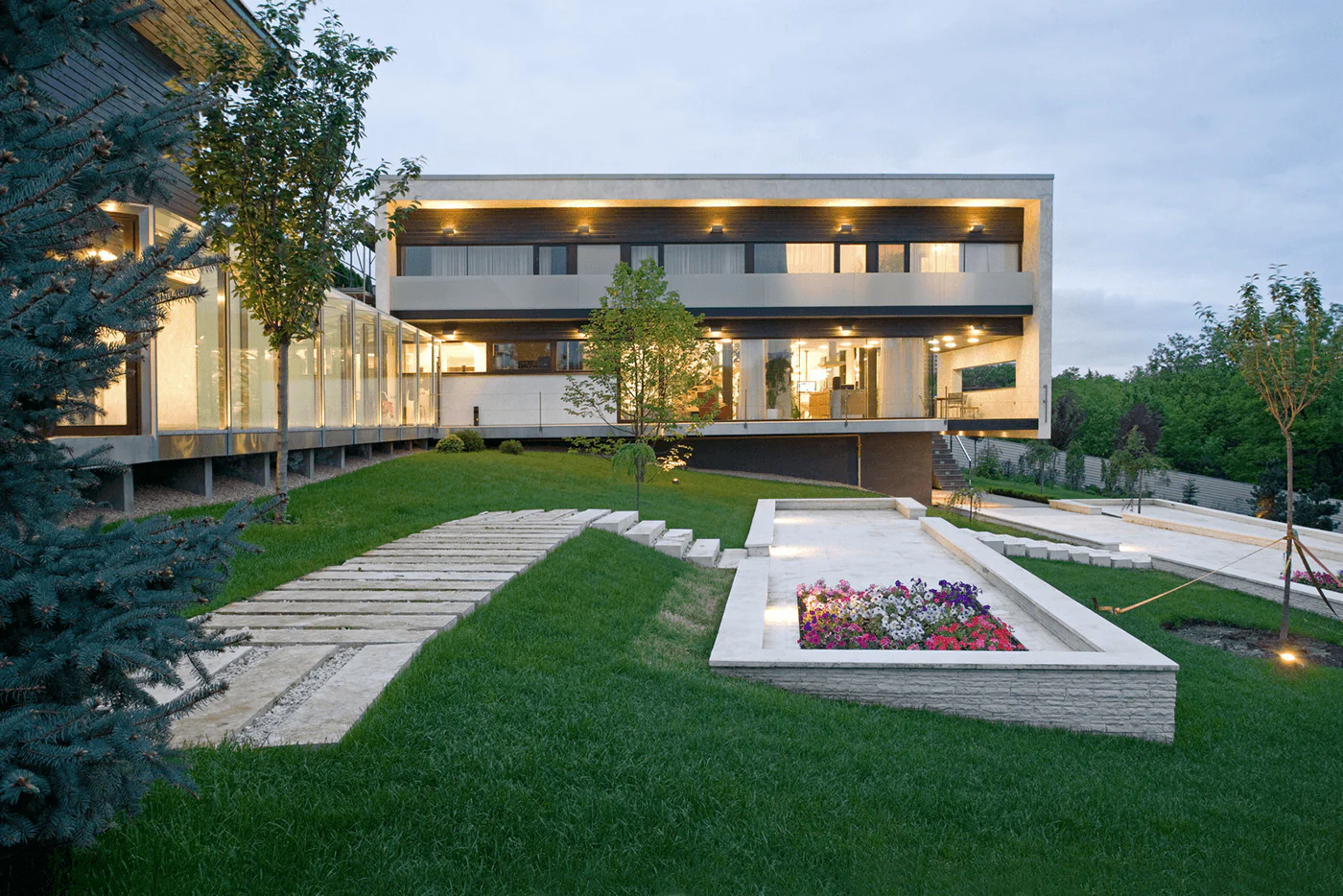
Homeowners often look for ways to elevate their property’s curb appeal and outdoor living space. While many focus on interior design, the exterior plays an equally critical role in shaping a home’s overall atmosphere. Creating a beautiful and functional landscape requires thoughtful planning, attention to detail, and an understanding of how different elements work together. If you are considering updates, you might look for more information from professional resources like this one to make informed choices that add long-term value.
The Importance of a Well-Designed Landscape
A landscape is more than just grass, plants, and decorative features. It sets the tone for how a property is perceived. A well-maintained yard can:
-
Increase home value and marketability
-
Provide functional outdoor living areas
-
Improve environmental quality through sustainable practices
-
Create spaces for relaxation and recreation
When landscaping is overlooked, homes often appear unfinished or unwelcoming, regardless of how beautiful the interior may be.
Key Elements of a Thoughtful Landscape Plan
Designing a landscape involves several interconnected decisions. Every element, from layout to plant selection, contributes to the final outcome.
Balance Between Hardscape and Softscape
Hardscape features include patios, walkways, retaining walls, and outdoor kitchens. Softscape refers to plants, grass, trees, and other living features. A good design balances the permanence of hard materials with the seasonal charm of greenery.
Functionality and Flow
A landscape should not only look appealing but also work seamlessly with the way people use the space. For example, pathways should be designed to guide movement naturally, while seating areas should provide comfort and accessibility.
Plant Selection
Plants should complement the climate, soil type, and available sunlight. Native species are often ideal since they adapt well to local conditions and require less maintenance. Choosing plants with varying bloom times ensures year-round visual interest.
Lighting and Atmosphere
Outdoor lighting extends the usability of a space into the evening. It enhances safety, highlights architectural features, and creates ambiance. A well-placed light fixture can make a garden pathway both practical and enchanting.
Environmental and Sustainability Considerations
Modern landscaping trends emphasize eco-friendly approaches. Homeowners can integrate:
-
Rain gardens to manage stormwater runoff
-
Drip irrigation systems for water efficiency
-
Composting areas to recycle organic matter
-
Native plants to support local biodiversity
These choices reduce maintenance costs while promoting a healthier ecosystem.
Outdoor Living as an Extension of the Home
Many homeowners now see their yard as an extension of their indoor living areas. Features like decks, pergolas, fire pits, and outdoor kitchens create inviting spaces for family gatherings and entertainment. By designing zones for dining, relaxation, and play, you can maximize functionality and enjoyment.
The Role of Professional Expertise
While DIY projects can be rewarding, landscaping often requires professional insight. Specialists understand grading, drainage, soil composition, and design principles that ensure long-lasting results. Seeking expert guidance gives homeowners confidence that their investment will withstand time and weather.
Common Mistakes to Avoid
Landscaping mistakes can be costly and difficult to reverse. A few to watch out for include:
-
Overcrowding plants, which leads to poor growth and maintenance challenges
-
Ignoring drainage, resulting in water damage to structures or lawns
-
Choosing plants solely for looks without considering long-term care
-
Skipping a master plan and making random updates that don’t harmonize
Avoiding these pitfalls helps create a cohesive and functional landscape.
Budgeting and Phasing Projects
Landscaping can range from simple garden updates to extensive renovations. Setting a realistic budget prevents overspending and disappointment. In many cases, breaking a project into phases allows for gradual progress without sacrificing quality. This approach also gives homeowners time to adjust plans as needs evolve.
How Landscaping Influences Well-Being
Outdoor spaces directly affect emotional health. Studies show that spending time in nature reduces stress, boosts creativity, and improves overall happiness. A thoughtfully designed yard encourages families to spend more time outdoors, fostering stronger connections with nature and each other.
Technology in Modern Landscaping
Technology now plays a big role in landscape design. From 3D renderings that let homeowners preview their plans to smart irrigation systems that adjust based on weather, innovations make the process more efficient and accurate. These tools ensure that the final result aligns closely with the homeowner’s vision.
FAQs About Landscaping Projects
Q. How long does a landscaping project usually take?
A. The timeline varies based on project size and complexity. Small updates like planting can take a weekend, while larger transformations involving patios, retaining walls, or irrigation systems may take weeks to months.
Q. What is the best season to start landscaping work?
A. Spring and early fall are typically the best seasons. Cooler temperatures reduce stress on plants, and the soil conditions are more favorable for growth. However, hardscape installations can often be completed year-round.
Q. How can I maintain my landscape with minimal effort?
A. Choose low-maintenance plants, install efficient irrigation systems, and incorporate mulch to control weeds and retain moisture. Regular but simple upkeep prevents bigger problems later.
Q. Do landscaping improvements really increase home value?
A. Yes, well-planned landscaping can significantly improve resale value. Curb appeal is often the first impression potential buyers notice, and outdoor living features are increasingly desirable.
Q. Should I hire a professional or do it myself?
A. It depends on the scale. DIY is feasible for planting and minor updates, but larger projects involving grading, drainage, or structural features benefit from professional expertise.

Comments are closed.