

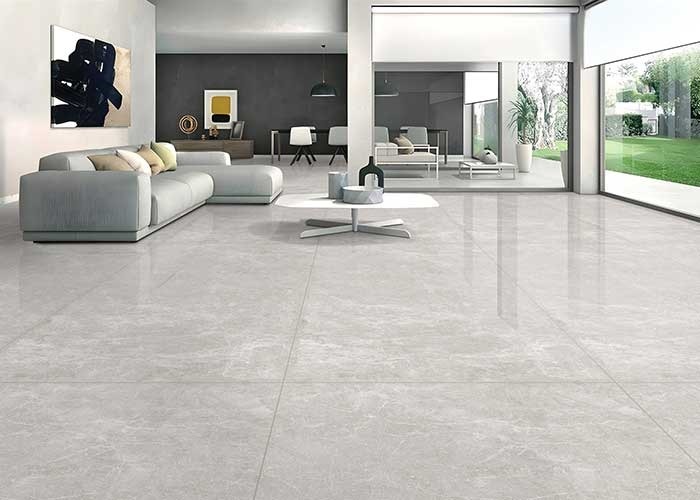
Selecting new flooring is one of the most impactful decisions a homeowner can make. Among the various options available, tile flooring stands out as a highly durable, versatile, and timeless choice. It can withstand heavy foot traffic, resist moisture, and elevate the aesthetic appeal of any room. However, walking into a flooring showroom can be overwhelming due to the sheer volume of choices, materials, sizes, and technical specifications.
To make an informed investment, you must understand the differences between tile families, industry performance ratings, and the installation demands of different products. This comprehensive guide serves as your foundational manual, detailing everything required to confidently select, purchase, and enjoy the ideal tile flooring for your home.
Understanding the Primary Types of Floor Tile
Not all tiles are created equal. Different manufacturing methods, clay compositions, and firing temperatures produce materials with wildly divergent performance characteristics. The vast majority of floor tiles fall into three major categories.
Ceramic Tile
Ceramic tiles are crafted from a mixture of red, brown, or white clay, water, and minerals. This mixture is pressed into a mold and fired in a kiln at relatively high temperatures. Ceramic tile is generally softer and less dense than other options, making it much easier to cut and install during DIY projects. It is an excellent, budget-friendly choice for walls, backsplashes, and low-to-moderate traffic floors such as bedrooms or powder rooms. However, its higher porosity means it is less suitable for areas prone to standing water or outdoor use.
Porcelain Tile
Porcelain is technically a specialized subcategory of ceramic tile, but it exhibits far superior performance. Made from fine, dense porcelain clay and fired at extreme temperatures, porcelain tile becomes highly vitrified, meaning it turns glass-like and incredibly hard.
Porcelain is highly water-resistant, boasting a moisture absorption rate of less than 0.5 percent. This makes it the premier choice for demanding residential environments, including entryways, high-traffic kitchens, mudrooms, and full bathrooms. Porcelain is also strong enough to resist cracking under heavy impacts and loads.
Natural Stone Tile
For unmatched luxury and unique organic beauty, natural stone remains a highly sought-after material. Unlike manufactured ceramic and porcelain, stone tiles are quarried directly from the earth. Popular variations include marble, granite, travertine, slate, and limestone.
-
Granite: Offers exceptional hardness and scratch resistance, making it suitable for busy kitchens.
-
Marble: Renowned for its elegant veining, marble is a classic choice for bathrooms, though it is soft and susceptible to scratching and acidic staining.
-
Travertine and Limestone: Provide soft, earthy textures but are highly porous and require diligent, long-term maintenance.
Decoding Technical Specifications and Ratings
To ensure your chosen tile can withstand the physical demands of your home, you must look past the aesthetic design and examine the technical performance ratings printed on the manufacturer product box.
The PEI Wear Rating System
The Porcelain Enamel Institute developed a standardized scale from 1 to 5 that measures a glazed tile resistance to abrasion and surface wear. Choosing a tile with an inadequate PEI rating will lead to premature scratching, dulling, and eventual failure of the glaze.
-
PEI Group 1: Suitable for wall applications only; should never be used underfoot.
-
PEI Group 2: Intended for light residential foot traffic, such as master bathrooms where shoes are rarely worn.
-
PEI Group 3: Designed for standard residential traffic. This is the baseline standard for living rooms, hallways, and everyday residential floors.
-
PEI Group 4: Engineerd for heavy residential and light commercial traffic. This rating is perfect for busy family kitchens, entryways, and mudrooms.
-
PEI Group 5: Built for heavy commercial use, such as airports or shopping malls. It is rarely required in residential settings but offers absolute durability.
Slip Resistance and the DCOF Acronym
Safety underfoot is paramount, especially in rooms prone to moisture like bathrooms, kitchens, and entryways. The industry measures slip resistance using the Dynamic Coefficient of Friction. For interior spaces expected to be walked upon when wet, look for tiles with a DCOF rating of 0.42 or higher. Tiles falling below this threshold feature smooth, glassy finishes that become dangerously slick when exposed to water or spilled liquids.
Sizing, Layouts, and Design Trends
The physical proportions of your tile and the pattern in which they are laid dramatically alter how the dimensions of a room are perceived.
Large-Format Tiles versus Mosaic Options
Modern interior design has shifted heavily toward large-format tiles, which are defined as any tile with at least one edge exceeding 15 inches. Common configurations include 12-by-24-inch rectangles or 24-by-24-inch squares. Large-format tiles minimize the number of grout lines in a room, resulting in an expansive, uninterrupted visual plane that makes small rooms appear significantly larger.
Conversely, small mosaic tiles, typically mounted on mesh sheets, are ideal for shower pans. The high concentration of grout lines surrounding small mosaic pieces provides the essential texture and grip needed to prevent slipping in wet, soapy environments.
Edge Profiles: Rectified versus Non-Rectified
When comparing tiles, you will encounter the terms rectified and non-rectified. Non-rectified tiles feature natural, slightly uneven edges formed during the kiln-firing process. They require wider grout joints, usually 1/8 to 1/4 of an inch, to mask the slight size variations between individual tiles.
Rectified tiles undergo a precise post-firing mechanical grinding process that squares off all four edges perfectly. Because every single tile is perfectly identical in size, installers can place them incredibly close together, utilizing razor-thin grout lines as small as 1/16 of an inch for a seamless look.
The Essentials of a Proper Installation
The longevity of your tile floor is directly tied to the quality of the substrate preparation and the materials used to lock the tiles in place. Even the most expensive porcelain tile will crack if installed over an unstable foundation.
Subfloor Preparation and Deflection
Unlike flexible flooring choices like vinyl or carpet, tile is rigid and brittle. It cannot tolerate vertical movement or flexing, known as deflection. Installers must ensure the underlying plywood or concrete subfloor is completely flat, structurally sound, and clean. Over wood joist systems, a sturdy cement backer board or an uncoupling membrane must be fastened down securely before any tile is laid to absorb structural shifts and prevent telegraphing cracks up into the tile layer.
Selecting the Right Grout
Grout is the material used to fill the spaces between tiles, locking out dirt and moisture. It generally comes in two distinct forms:
-
Sanded Grout: Contains fine sand particles that provide structural strength. It is mandatory for grout joints wider than 1/8 of an inch, preventing the mixture from shrinking and cracking as it cures.
-
Unsanded Grout: Smooth and completely free of sand, this grout is utilized for thin joints under 1/8 of an inch. It is ideal for delicate materials like polished marble, which would be scratched by the abrasive particles found in sanded alternatives.
Frequently Asked Questions
What is the actual difference between glazed and unglazed tile flooring?
Glazed tiles feature a liquid glass coating applied to the top surface before the tile enters the kiln. This glaze acts as a protective layer that allows manufacturers to print intricate colors, wood grain patterns, or stone textures onto the tile surface, making it non-porous and highly stain-resistant. Unglazed tiles possess a uniform composition throughout their entire thickness. While they offer superior slip resistance and scratch concealment due to their solid color, they are naturally porous and must be sealed to prevent staining from dirt and spills.
How much extra tile waste should I order when purchasing flooring?
As a firm rule of thumb, you should order 10 percent more tile than the actual square footage of your room. This surplus account covers necessary material loss during straight cuts and compensates for accidental breakage during installation. If you choose a complex installation pattern like a herringbone or diagonal layout, you should increase the overage order to 15 percent, as these designs require significantly more intricate angled cuts along the room perimeter.
Can I install new tile directly on top of an existing tile floor?
Yes, you can install tile over existing tile, a process known as tile-over-tile installation, but it requires specific conditions to succeed. The existing floor must be structurally sound, flat, and completely bonded to the subfloor with no loose or hollow-sounding tiles. The old surface must be thoroughly scarified or treated with a specialized bonding primer so the new mortar can adhere properly. Additionally, you must consider the increased floor height, which can create awkward transitions at doorways and require cutting the bottoms off surrounding doors.
Why do some tile floors feel intensely cold and how can that be fixed?
Ceramic and porcelain possess high thermal conductivity, meaning they draw heat away from objects rapidly, making them feel cold to the touch, especially in winter. The ultimate solution to this issue is installing an electric radiant floor heating system directly beneath the cement backer board during the installation process. These thin heating mats warm the dense tile material from underneath, providing comfortable heat that radiates upward through the entire room.
How do I clean and maintain tile flooring without degrading the grout?
For daily maintenance, sweep or vacuum your tile floor to remove abrasive dirt and grit that can scratch the surface finish over time. When mopping, avoid harsh chemicals, vinegar, or acidic cleaners, which eat away at cement grout and strip away defensive sealers. Instead, utilize a pH-neutral cleaner formulated specifically for tile and stone, pairing it with a microfiber mop and clean, warm water.
Is it mandatory to seal natural stone tiles before using the room?
Yes, sealing natural stone is absolutely mandatory both before and immediately after installation. Natural stones like marble, travertine, and slate contain microscopic pores that eagerly absorb water, oils, and colored liquids, resulting in deep permanent stains. Applying a high-quality penetrating sealer creates an invisible hydrophobic barrier within the pores, buying you valuable time to wipe away spills before they can soak into the stone.
What causes tile lippage and how can it be avoided?
Tile lippage refers to a condition where the edges of adjacent installed tiles are not perfectly flush with one another, creating an uneven, tripping hazard. Lippage is frequently caused by a warped subfloor, using uneven amounts of mortar, or attempting to install large-format tiles with a 50 percent brick-bond offset. To avoid lippage, use a mechanical tile leveling clip system during installation to hold the tile edges perfectly flat while the thinset mortar cures.

Comments are closed.